- Home
- ...Australia
 Australia
- The Pass
Today's Surf Conditions at The Pass
Spot Overview & Description
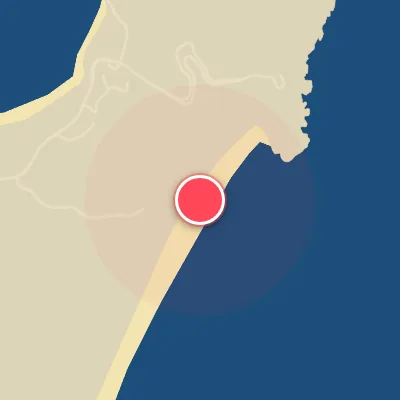
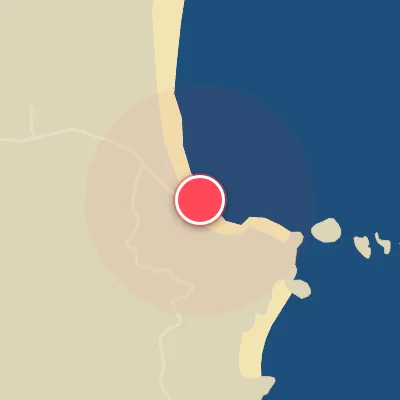
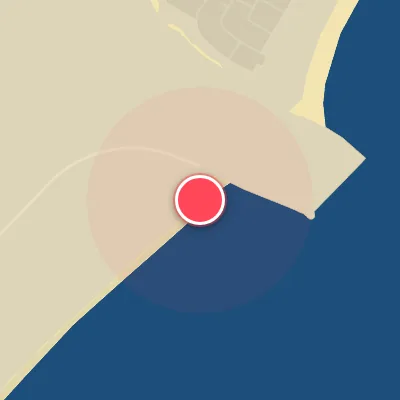
The Pass at Byron Bay is a quintessential Australian point break, where the iconic curve of the coastline meets a lush fringe of pandanus trees and a palpable, easygoing energy. This is the heart of Byron’s surf scene—a place where the lineup is as much a social gathering as it is a wave-riding arena. When conditions align, the crowd swells just as reliably as the swell, drawing everyone from wide-eyed beginners to seasoned locals who’ve etched their own lines into the sandbar. For those willing to navigate the amiable chaos, the rewards are a series of long, peeling right-handers that can reel off for up to 500 meters on a good day. The Pass performs best with east to northeast swells, wrapping elegantly into the bay to produce those dreamy, racetrack rights. Swell as small as one foot can still offer fun rides, though larger southern pulses tend to fizzle and lose shape. Tidal influence is forgiving—waves hold across low, mid, and high tides—but the ideal wind is a light southeast breeze, grooming the faces smooth. While mellow days can be kind to beginners, the crowd dynamic is the real challenge; expect a high-density lineup where positioning and etiquette are paramount. Locals often paddle back up the point after a ride, cycling through the rotation with practiced ease. If the intensity feels overwhelming, a quick escape to nearby Wategoes offers a more relaxed vibe. Beyond the surf, The Pass delivers a dose of natural magic: dolphins frequently cruise through the lineup, adding a playful layer to an already vibrant scene. It’s a break that demands patience, awareness, and a healthy respect for the local pecking order, but when you slot into that long, green wall with the Byron sun at your back, it’s hard to imagine a more perfect wave in the world.
Best Surf Season & Climatology
Best Surf Season (April - August)
The Pass finds its true stride through the Southern Hemisphere autumn and winter, when a strengthening subtropical high over the northern Tasman Sea feeds a steady regime of S to SW winds. These blow directly offshore across this north-northeast-facing point, and the data shows the ideal-wind frequency peaks at 23-29% between April and August, with wave periods lengthening to 9.2-9.6s and average swell heights holding at 5-5.5ft (1.5-1.7m). The dominant E/SE groundswell direction is not the preferential NNE/NE angle, but once the offshore S/SW airflow grooms the sea surface, solid lines wrap the headland with remarkable consistency. This is the bread-and-butter window for quality, wave-for-wave.
Detailed Surf Information for The Pass
Detailed Surf Forecast
Access our detailed 8-day swell and wind forecast charts for The Pass with tidal graphs, period ranges, and daily forecast text summaries.
Swell & Wind Statistics
Explore historical swell consistency, wave heights, and offshore wind windows month-by-month, compiled from over 40 years of data.
Historical Surf Report
Browse the historical database archives to view past wave reports and understand spot climatology during specific years and months.