- Home
- ...Australia
 Australia
- Trigg Point
Today's Surf Conditions at Trigg Point
Spot Overview & Description
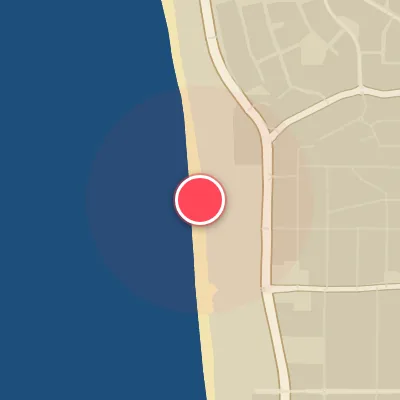
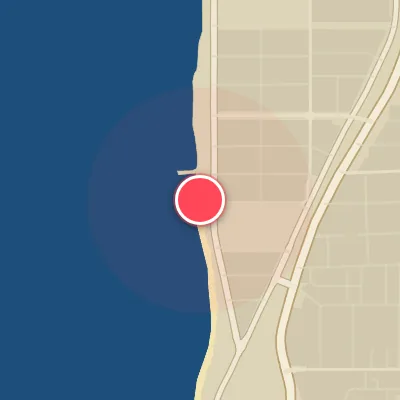
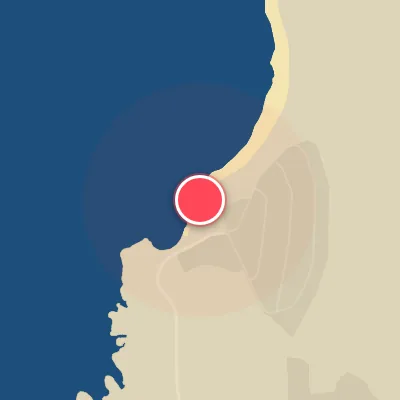
Trigg Point, a Perth institution, delivers a consistent, peeling right-hander that wraps around the sand-covered reef near the groyne. The wave isn't long, but it's defined—a fast, bowly wall that appeals to intermediate surfers looking for a reliable, punchy ride. However, reliability comes with a price: the lineup is notoriously crowded, especially when the west swell pushes in. Expect a competitive lineup, where patience and local etiquette are essential. As summer fades, shifting sand can alter the wave’s quality and shape at the beach break, making the reef the more dependable option. The magic happens when swell from the west rolls in, though southwest and northwest windows also keep the wave alive. Trigg starts working at a modest 1ft, but it truly shines when the size picks up. The bottom is an uneven mix of reef and sand, creating sections that require quick footwork and smart positioning. Tides aren’t fussy—low, mid, and high can all produce, though the wave’s character changes with the water level. On easterly winds, the beaches near the carparks offer a quieter alternative with fewer surfers and similar conditions, making it a savvy backup plan. Sharks are part of the Trigg experience. The area is known for occasional sightings, adding a layer of adrenaline to the session. Keep your eyes open, but don’t let that deter you. The coastal scenery—golden sand, clear water, and the constant hum of activity—creates an atmosphere that’s as much about the vibe as it is about the waves. Whether you’re trading waves in the lineup or watching from the sand, Trigg Point offers a uniquely Australian surf experience, albeit one that demands your full attention.
Best Surf Season & Climatology
Best Surf Season (March - May)
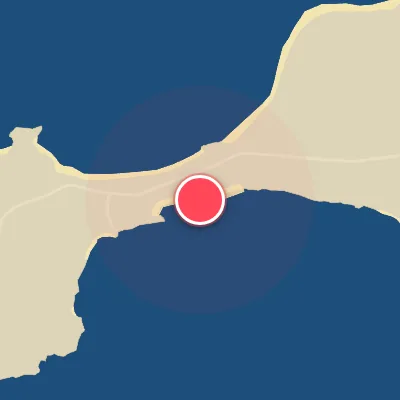
Trigg Point is a west-facing slab along Australia's Indian Ocean coastline, and it comes alive when the Southern Ocean storm track aims its energy at the southwestern corner of the continent. From March through May, the subtropical ridge starts to drift north, and the clash between lingering warm inland air and early autumn fronts produces regular, long-period SW to WSW groundswell. Average surf heights hover around 6-7ft (1.8-2.2m) with periods pushing into the 12-13s range, and the wind distribution shifts in your favour: the morning easterly offshore pattern becomes more reliable, with ideal conditions peaking at 48% in May. This is the sweet spot - plenty of size, clean lines, and the most consistent combination of swell and offshore wind on the calendar.
Detailed Surf Information for Trigg Point
Detailed Surf Forecast
Access our detailed 8-day swell and wind forecast charts for Trigg Point with tidal graphs, period ranges, and daily forecast text summaries.
Swell & Wind Statistics
Explore historical swell consistency, wave heights, and offshore wind windows month-by-month, compiled from over 40 years of data.
Historical Surf Report
Browse the historical database archives to view past wave reports and understand spot climatology during specific years and months.