- Home
- ...North America
 Canada
- Chesterman Beach
Today's Surf Conditions at Chesterman Beach
Spot Overview & Description
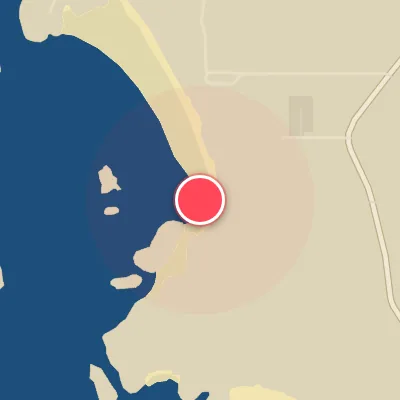
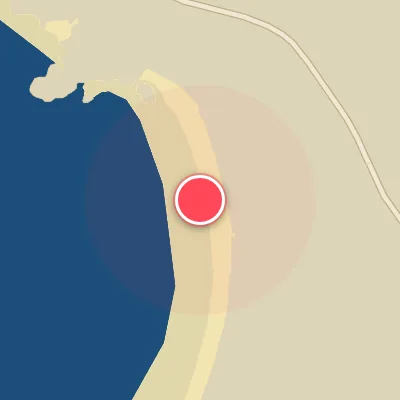
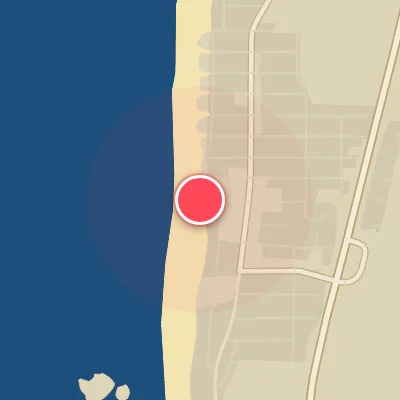
Chesterman Beach is a quintessential Tofino surf experience, where stunning West Coast scenery meets a dynamic lineup that caters to a wide range of abilities. This sprawling stretch of sand is divided into two distinct zones—North and South Chesterman—each with its own character. Expect company, especially on weekends when travelers and beginners flock to the waves. Arrive early, as the parking lots fill fast during the summer crush. North Chesterman is the main draw, delivering punchy, steep beach break waves in the 2-to-4-foot range when conditions align. The beach works best with a west swell, whether it arrives from the southwest or northwest, producing both left and right peaks. Low to mid tide often brings the most shape, though all tides can offer something rideable. An east wind is your friend here, smoothing out the surface and cleaning up the bump. The sand bottom means no rock worries, but powerful inside sections can keep things interesting—even challenging—for intermediate surfers. The southern end provides a more forgiving option for beginners, making this a versatile spot. For those seeking a quieter session, MacKenzie Beach, just north, offers a more beginner-friendly alternative. The vibe at Chesterman can get competitive on a good day, but most locals are relaxed and welcoming. Be aware of strong rips on bigger swells—they can quickly sweep inexperienced surfers off their feet. And watch your step on the access trails, where dog waste can be an unwelcome obstacle. Overall, Chesterman Beach is a must-visit for any traveling surfer, but conditions vary widely—come prepared to pick your peak and your moment.
Best Surf Season & Climatology
Best Surf Season (October - March)
Chesterman Beach is a classic winter wave pool. As the Aleutian Low strengthens in October, the North Pacific storm track aims right at Vancouver Island, sending a near-constant supply of W and WSW groundswell into the beach's west-southwest facing sandbars. Average swell heights climb from 6-8ft (1.8-2.5m) to 8ft+ (2.4m+) between December and January, with periods routinely in the powerful 12-12.5s range. Offshore E and ESE flow becomes more frequent during these months, especially in December and January, which is the real key to Chesterman: an east outflow that grooms the long-period swell into clean, rippable walls. This is prime time.
Detailed Surf Information for Chesterman Beach
Detailed Surf Forecast
Access our detailed 8-day swell and wind forecast charts for Chesterman Beach with tidal graphs, period ranges, and daily forecast text summaries.
Swell & Wind Statistics
Explore historical swell consistency, wave heights, and offshore wind windows month-by-month, compiled from over 40 years of data.
Historical Surf Report
Browse the historical database archives to view past wave reports and understand spot climatology during specific years and months.