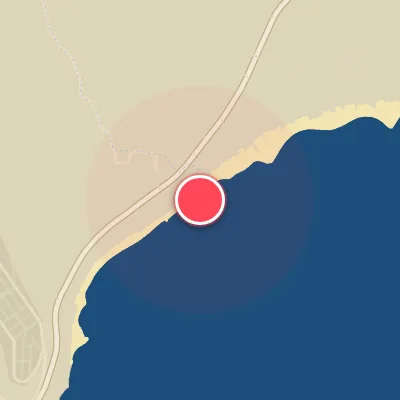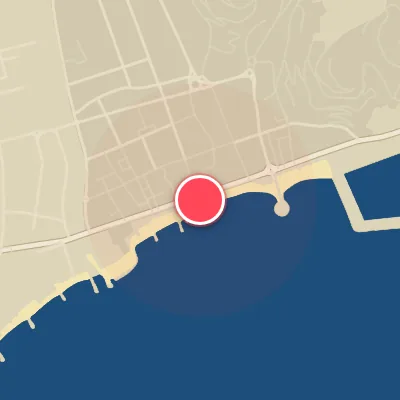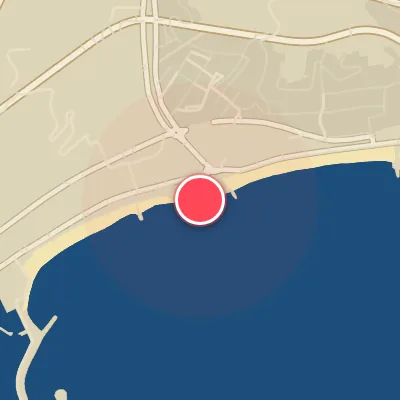

Today's Surf Conditions at St. Laurent du Var
Spot Overview & Description
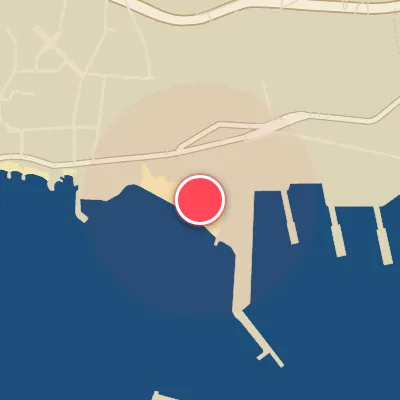
St-Laurent du Var is a sand-bottom rivermouth left that sits right next to the tarmac of Nice Airport, where the Mediterranean meets the runway. On those rare, glassy days when the swell lines up just right, this cold, murky setup can spit out long, hollow barrels that are as raw as they are elusive. The lefts look tempting from the beach, but don’t be fooled—powerful rips and questionable water quality make this a wave best suited for intermediate to advanced surfers who know how to read a shifting sandbar and handle a current. Beyond the rivermouth, onshore beachbreaks stretch past the nautical centre, the Hippodrome, and the harbour. When the biggest swells roll in, a distinct A-frame rears up among the peaks, offering a tough but rewarding challenge for those willing to brave the chop and the crowds.
Best Surf Season & Climatology
Best Surf Season (November - March)
If you are chasing surf at St. Laurent du Var, the window from November through March is your best bet. The Mediterranean becomes more active as low-pressure systems spin up over the Gulf of Genoa and push short-period swell into the Côte d'Azur. Average wave heights climb to around 2ft (0.6m) and periods stretch to 5.4-5.7s, which is still on the short side but markedly better than summer. Crucially, offshore N/NNE/NE flow under Mistral-type pressure gradients blows 31-36 percent of the time, keeping the southwest-facing beach cleaner. It is a small-wave, grovel-friendly season; the occasional 3-5ft (1-1.5m) swell can light up the beach.
Detailed Surf Information for St. Laurent du Var
Detailed Surf Forecast
Access our detailed 8-day swell and wind forecast charts for St. Laurent du Var with tidal graphs, period ranges, and daily forecast text summaries.
Swell & Wind Statistics
Explore historical swell consistency, wave heights, and offshore wind windows month-by-month, compiled from over 40 years of data.
Historical Surf Report
Browse the historical database archives to view past wave reports and understand spot climatology during specific years and months.