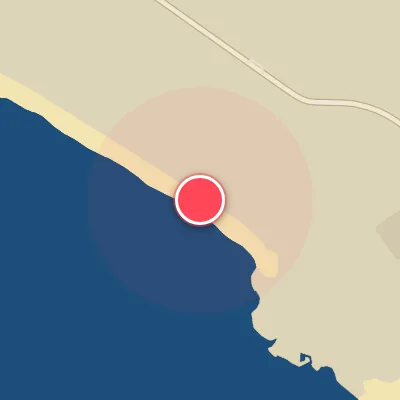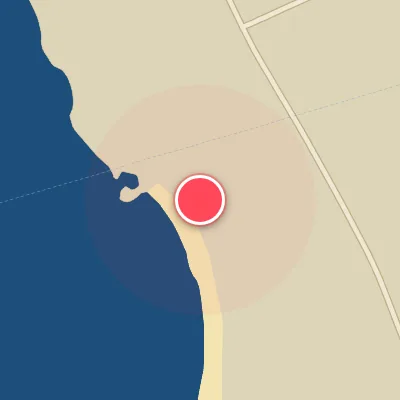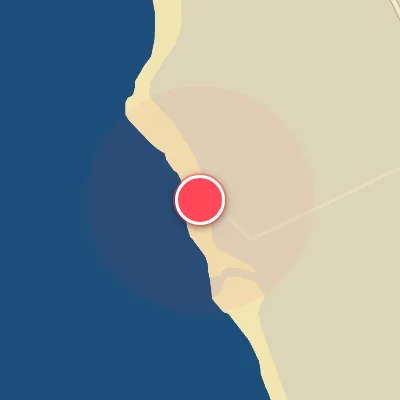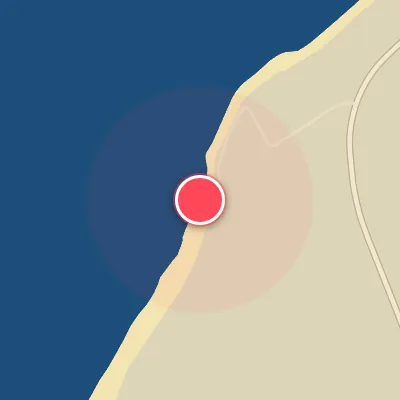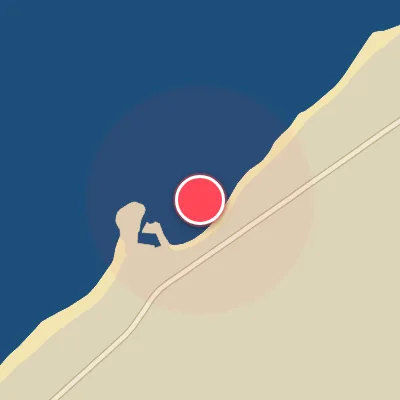

Today's Surf Conditions at Kvassheim
Spot Overview & Description
Kvassheim sits along the rugged Jæren coast, a place that commands respect and rewards those who read its moods. This is a spot where the North Sea puts on a show—a right-hand point break that peels over an underwater labyrinth of boulders, offering a ride that’s as technical as it is thrilling. When the stars align, the wave face shapes up with enough length and texture to keep intermediate surfers locked in, drawing a loyal local crowd that knows exactly when to paddle out. The magic here is driven by a southwest swell. Look for waves from 2 feet (0.6 meters) on up, with the best shape when the swell is pure and not too walled. The ideal wind comes clean from the northeast, grooming the faces into workable lines. Tides are forgiving—low, mid, high all have their windows—though shifting sand and boulder fields mean you’ll want to study the lineup on arrival. Avoid swells from north of west: they turn paddling into a battle and drain the shoulders out of every wave. Access has tightened. A new nature protection area now fences off the old parking lot, so you’ll park roadside and hoof it to the water. Be sure to close the gate behind you—it’s a small courtesy that keeps the path open. And keep an eye on the calendar: from October 1 through March 31, the lineup is off-limits entirely, a seasonal pause to protect migrating birds. For a basecamp, pitch a tent at Brusan Beach just a short drive south—it’s the closest thing to a local surfer’s hub. Get your timing right, and Kvassheim delivers one of the Jæren coast’s most distinctive, session-shaping waves.
Best Surf Season & Climatology
Best Surf Season (October - March)
Kvassheim is a classic SW-facing North Sea setup, and the period from October through March is when the elements align. As the North Atlantic storm track re-energises after summer, a succession of deep lows forms between Greenland and the Norwegian Sea, firing steady S/SSW/SW/WSW swell into the Norwegian coastline. Average wave heights sit between roughly 6ft (1.8m) and 8ft (2.4m), with periods in the 8-9s range and plenty of punch for this exposed beach. The catch is that winter wind patterns are often marginal: onshore S/SW winds and strong ESE/SE cross-shore flows appear frequently. The North Atlantic Oscillation also calls the shots here, as positive NAO winters tend to deepen the Icelandic Low and fire more S/SW swell toward Norway, while negative phases can lock in Scandinavian highs and produce long stretches of cross-shore easterlies. Still, when high pressure sets up over Scandinavia or a post-frontal north to north-east flow locks in, Kvassheim turns on with clean, heavy, offshore waves. December, January and February are the most consistent months for serious size.
Detailed Surf Information for Kvassheim
Detailed Surf Forecast
Access our detailed 8-day swell and wind forecast charts for Kvassheim with tidal graphs, period ranges, and daily forecast text summaries.
Swell & Wind Statistics
Explore historical swell consistency, wave heights, and offshore wind windows month-by-month, compiled from over 40 years of data.
Historical Surf Report
Browse the historical database archives to view past wave reports and understand spot climatology during specific years and months.