- Home
- ...Asia
 Philippines
- Horseshoe
Today's Surf Conditions at Horseshoe
Spot Overview & Description
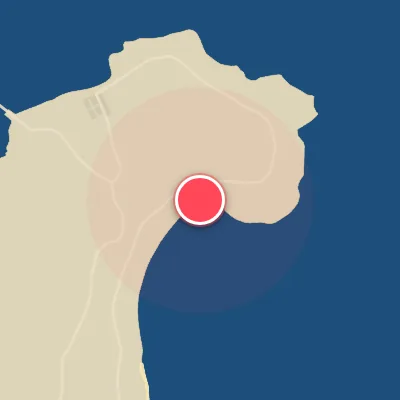
Horseshoe, also known as Hawaiian Jack, sits just a stone’s throw from General Luna, offering a classic reef setup that rewards those willing to put in a bit of work. The 300-meter paddle out might test your fitness on a mellow day, but it’s a small price for the uncrowded peaks that await. Best at high tide, especially when head-high NE swells roll in, this stretch of fringing reef extends roughly two kilometers toward General Luna, so expect shifting corners and playful walls as you ride. The wave breaks over live coral, peeling both left and right, handling swell from three feet up. Clean conditions come with west winds, but the spot can blow out quickly if the breeze swings wrong. Size assessment is tricky at low tide—the exposed reef makes it a guessing game—but many locals opt for the 20-minute walk from the cemetery or a five-minute boat ride from town. Though more forgiving than some neighboring reefs, Horseshoe is still expert terrain; confident navigation and a solid paddle are non-negotiable. General Luna itself rarely holds rideable surf, but it’s a handy gauge for swell size here and at other nearby breaks. The crowd factor is a bonus—expect more elbow room than the region’s famous lineups, giving you space to find your own little corner. Always check conditions before heading out; this reef has a mind of its own.
Best Surf Season & Climatology
Best Surf Season (October - February)
As the calendar flips into autumn, the northeast monsoon begins to load the Philippine Sea with consistent easterly windswell and longer-period groundswell. For Horseshoe, an east-facing beach, this is when the most meaningful surf of the year stacks up. Average wave heights climb from 3-4ft (1.1m) in October to 5-6ft (1.7m) by January, and periods hover in the 9.5-10.2s range, giving the waves real push. The catch is the accompanying northeast wind regime: NE/ENE offshore trades more often than not put a cross-onshore bump on the face. October is the true gem of this stretch, with 35% ideal wind, while late autumn and midwinter offer greater size but demand patience and a sharp eye on local wind. When a cold surge or passing low pressure flips the wind into the west or northwest, Horseshoe turns from a lumpy monsoon zone into a lined-up, east-facing reel.
Detailed Surf Information for Horseshoe
Detailed Surf Forecast
Access our detailed 8-day swell and wind forecast charts for Horseshoe with tidal graphs, period ranges, and daily forecast text summaries.
Swell & Wind Statistics
Explore historical swell consistency, wave heights, and offshore wind windows month-by-month, compiled from over 40 years of data.
Historical Surf Report
Browse the historical database archives to view past wave reports and understand spot climatology during specific years and months.