- Home
- ...North America
 United States
- Rockaway-Manzanita
Today's Surf Conditions at Rockaway-Manzanita
Spot Overview & Description
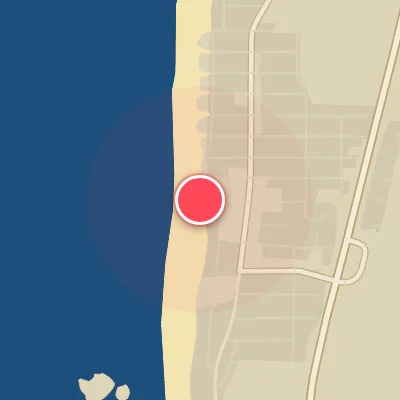
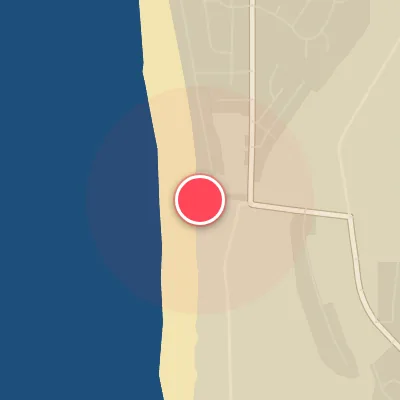
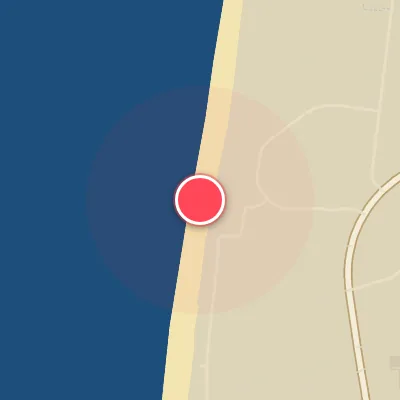
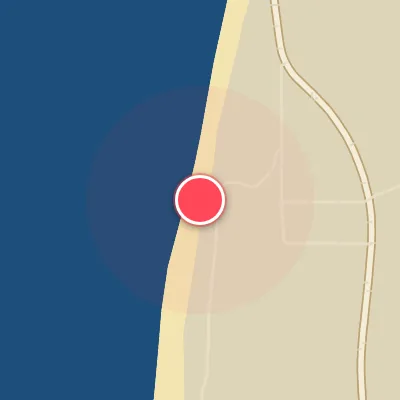
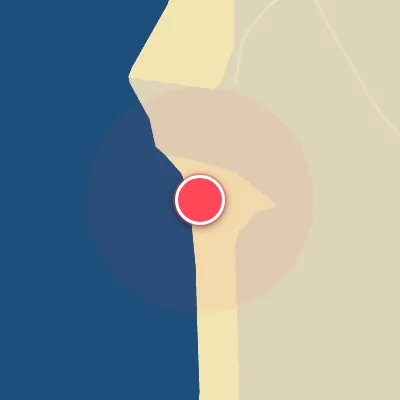
Stretching along Oregon’s coastline, Rockaway Beach offers a classic, no-frills beachbreak experience. Its broad, sandy expanse is dotted with dune grass and driftwood, lending a rugged, untamed character to the setting. Wide open to both prevailing wind and ocean swell, the break can produce playful, if not spectacular, waves when conditions align. This is not a destination for epic barrels or pristine perfection—keep expectations grounded, and you’ll likely find a fun, uncrowded session. The shifting sand bottom keeps things dynamic, with peaks that can pop up unpredictably. Paddling is generally manageable, even for intermediate surfers, and water quality is notably clean, a refreshing bonus for the Oregon coast. Best approached as a low-key, go-when-it-works option, Rockaway rewards those who appreciate the raw Pacific Northwest ambiance over polished performance.
Best Surf Season & Climatology
Best Surf Season (October - March)
The North Pacific roars to life from late autumn through winter, and the west-facing stretch of coast between Rockaway and Manzanita sits right in the firing line. Average swell heights run from 7ft (2.2m) in October to a peak of 10ft (3.0m) in December, with periods holding in the powerful 11-13s range. Swell arrives consistently from the W, WNW and WSW window, which this beach is perfectly exposed to. When cold continental high pressure sets up across the interior, offshore E, ENE, ESE and SE winds groom these long-period groundswells into clean, hollow peaks. This is the time for serious sessions and bigger boards.
Detailed Surf Information for Rockaway-Manzanita
Detailed Surf Forecast
Access our detailed 8-day swell and wind forecast charts for Rockaway-Manzanita with tidal graphs, period ranges, and daily forecast text summaries.
Swell & Wind Statistics
Explore historical swell consistency, wave heights, and offshore wind windows month-by-month, compiled from over 40 years of data.
Historical Surf Report
Browse the historical database archives to view past wave reports and understand spot climatology during specific years and months.