- Home
- ...Asia
 Philippines
- Llorente
Today's Surf Conditions at Llorente
Spot Overview & Description
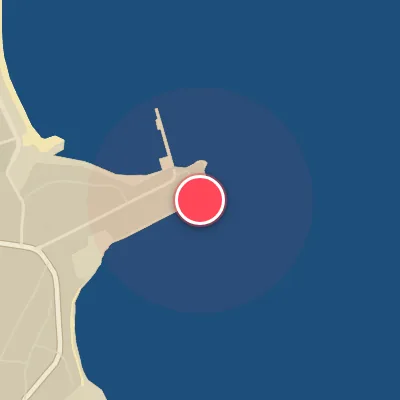
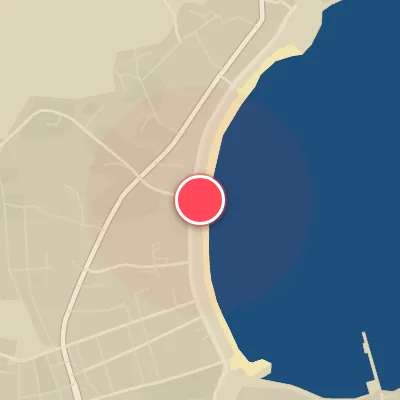
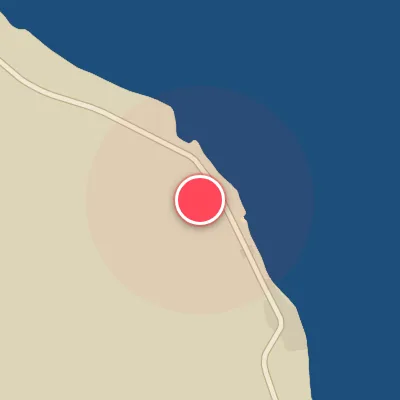
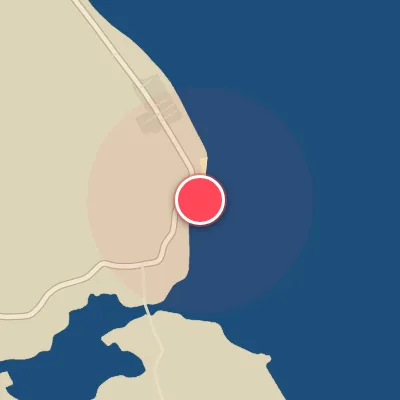
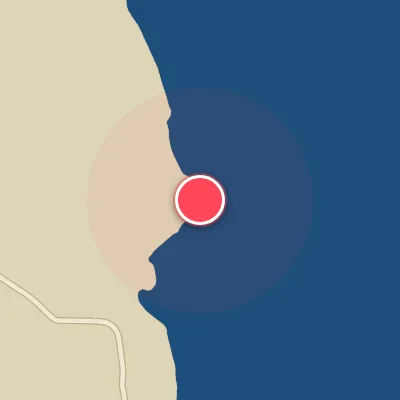
Llorente sits roughly an hour south of Borongan, offering a mellow, low-key atmosphere that's ideal for beginners and those looking to sharpen their skills. The beach breaks over a soft sand bottom, creating a forgiving canvas for learning and progression. Swell gets working here from as small as 1 foot, with the most consistent energy arriving from the northeast, north, and east. Both left and right waves peel off the sand, and the break handles low, mid, and high tides just fine. When the wind blows from the southwest, conditions clean up nicely, making for fun, user-friendly waves that won't intimidate. For more advanced surfers seeking a step up, the neighboring headlands harbor some promising reef breaks that can offer a real challenge when the swell kicks in. But for a solid session of smooth, approachable waves, Llorente delivers a reliable and welcoming ride.
Best Surf Season & Climatology
Best Surf Season (September - October)
The sweet spot at Llorente arrives when the southwest monsoon (Habagat) begins to break down and the first pulses of northeast swell march into the Philippine Sea. Llorente's east-northeast-facing beach is perfectly exposed to the NE/ENE groundswell tracks, while the lingering SSW-SW offshore winds still groom the face. September offers the highest percentage of offshore wind (64%) and an average period that climbs above 10s; October trades a bit of that clean wind for more size, averaging 1.1m (3-4ft) with 10.3s periods. These two months are the most consistent window for lined-up, rippable surf at this spot.
Detailed Surf Information for Llorente
Detailed Surf Forecast
Access our detailed 8-day swell and wind forecast charts for Llorente with tidal graphs, period ranges, and daily forecast text summaries.
Swell & Wind Statistics
Explore historical swell consistency, wave heights, and offshore wind windows month-by-month, compiled from over 40 years of data.
Historical Surf Report
Browse the historical database archives to view past wave reports and understand spot climatology during specific years and months.