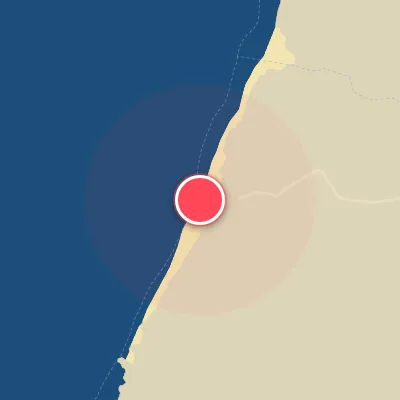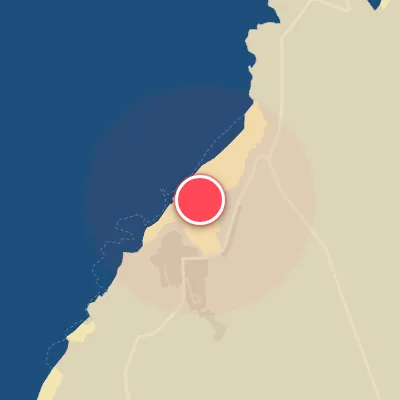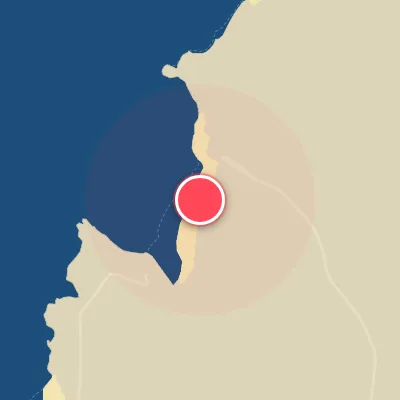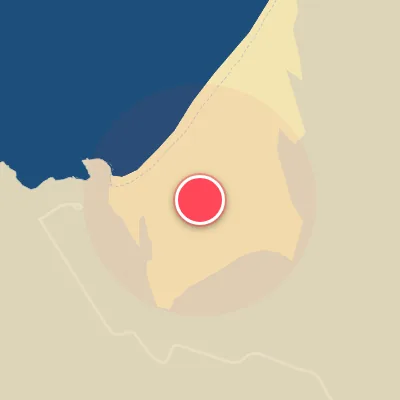

Today's Surf Conditions at Arrifana
Spot Overview & Description
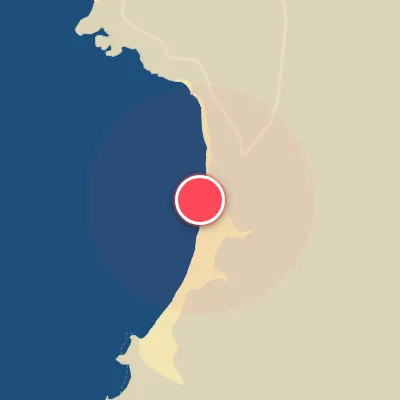
Arrifana unfolds as a dramatic crescent-shaped bay, its steep cliffs cradling a lively beachbreak that hums with activity from dawn to dusk. The main beach is workmanlike yet protected, holding shape through all tides and drawing a diverse crowd—locals, traveling surfers, beginner lessons, and seasoned rippers alike. It’s a reliable, if unremarkable, option when the sandbars cooperate. The real siren call lies at the northern end: a serious right-hand point that reels along the rocky edge toward the harbour breakwater. This is a long, fast, heavy wave that grinds over an uneven reef studded with shallow boils and exposed rock. Expect pulse-quickening barrel sections when the swell hits, but also an intense lineup where big rocks lurk both in the takeoff zone and on the inside. This is no place for the faint of heart—it demands commitment, sharp instincts, and a healthy respect for the innards.
Best Surf Season & Climatology
Best Surf Season (October - March)
The North Atlantic roars to life during autumn and holds its grip through early spring, and Arrifana sits right in the firing line. Between October and March, the average swell height climbs to 1.8-2.4m (6-8ft), with average periods of 11.4-13.1s. Extratropical cyclones marching across the Atlantic pump consistent long-period swell into the Portuguese west coast, and the offshore quadrant - from the NNE through E - blows clean 46-54% of the time. Water temps hold between 15.0 and 18.6C, so the surf is often big, powerful and glassy on the best days. This is the time to plan a trip.
Detailed Surf Information for Arrifana
Detailed Surf Forecast
Access our detailed 8-day swell and wind forecast charts for Arrifana with tidal graphs, period ranges, and daily forecast text summaries.
Swell & Wind Statistics
Explore historical swell consistency, wave heights, and offshore wind windows month-by-month, compiled from over 40 years of data.
Historical Surf Report
Browse the historical database archives to view past wave reports and understand spot climatology during specific years and months.