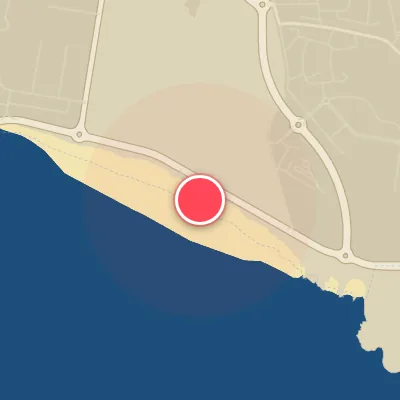

Today's Surf Conditions at Costa da Caparica
Spot Overview & Description
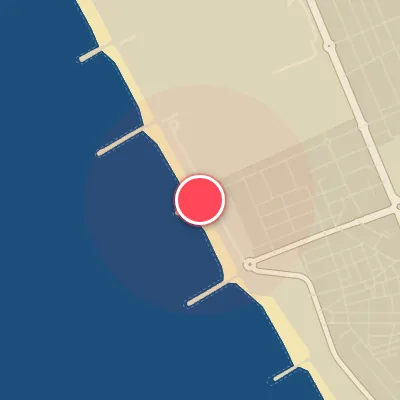
Stretching for miles along Portugal’s Atlantic coast, Costa da Caparica is a vast expanse of golden sand offering consistent, high-quality lefts and rights that peel over a clean, sandy bottom. The northern end is defined by a series of groynes, which trap shifting sand and sculpt reliable sandbars that produce long, walling waves ideal for cruising turns, with the occasional short, hollow section for a quick barrel. This beach is a cornerstone of Lisbon’s surf community—always buzzing with locals and hosting regular contests—and its sheer volume means there are waves for a range of abilities, though larger swells can turn the lineup heavy and demanding.
Best Surf Season & Climatology
Best Surf Season (October - March)
The North Atlantic roars to life during October and the surf at Costa da Caparica catches the full brunt of it. From October through March, average swell heights sit in the 1.5-2.0m (5-7ft) range with periods of 11-13 seconds. These are not just average waves; these are powerful, long-period groundswells generated by extratropical cyclones marching across the Atlantic. The west-southwest exposure lines up best when the swell drops in from the W-WSW window, and while WNW/NW pulses dominate the statistics, the long-period energy still wraps into the bay and delivers consistent, quality surf. Add offshore wind windows from the E/NE that are present around 40-46% of the time, and you get the classic Portuguese winter recipe: solid swell, cleaner line-ups, and world-class potential.
Detailed Surf Information for Costa da Caparica
Detailed Surf Forecast
Access our detailed 8-day swell and wind forecast charts for Costa da Caparica with tidal graphs, period ranges, and daily forecast text summaries.
Swell & Wind Statistics
Explore historical swell consistency, wave heights, and offshore wind windows month-by-month, compiled from over 40 years of data.
Historical Surf Report
Browse the historical database archives to view past wave reports and understand spot climatology during specific years and months.