Today's Surf Conditions at Porto Covo
Spot Overview & Description
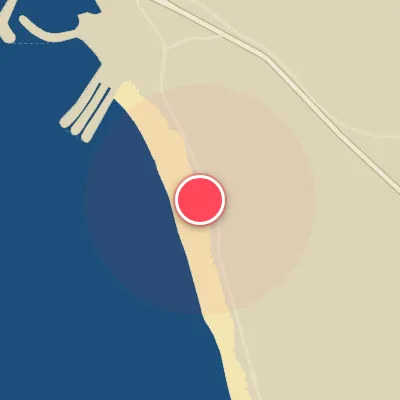
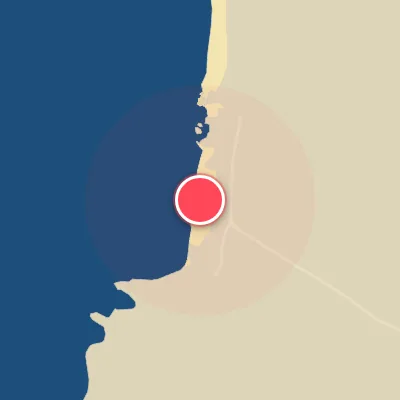
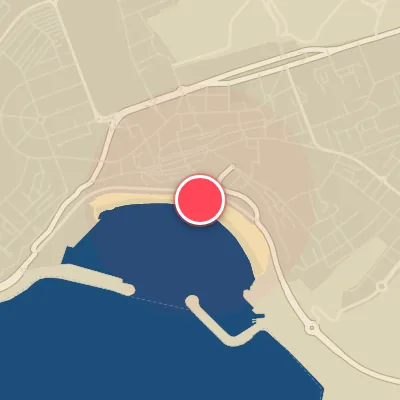
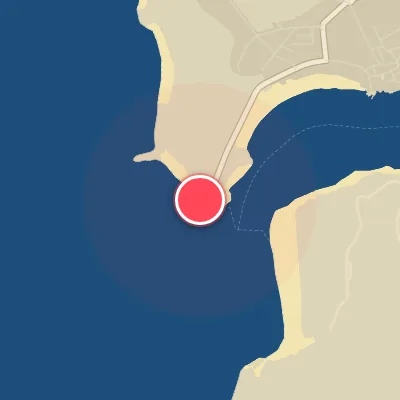
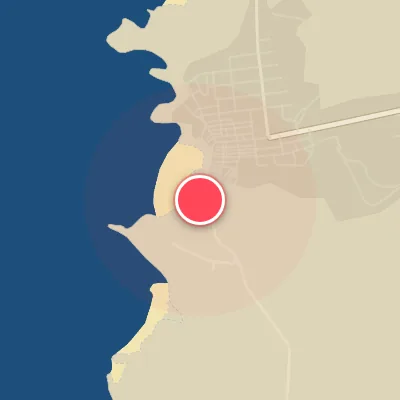
Nestled along Portugal's sun-drenched Alentejo coast, Porto Covo is a charming seaside getaway that serves up a surprisingly diverse menu for traveling surfers. To the north of the town center, a handful of intimate cove beaches deliver fun, mellow sand-bottom rides when a moderate swell rolls in—perfect for those looking to stretch their legs without the crowds. Head south, and you’ll find a completely different beast at Ilha do Pessegueiro. Here, a deep-water reef stirs between the island and the mainland, producing long, slow lefts and rights that peel with oceanic patience, rewarding positioning over power. Whether you’re after a playful beach break or a meditative reef session, Porto Covo offers two distinct flavors of Atlantic surf in one scenic package.
Best Surf Season & Climatology
Best Surf Season (October - March)
The North Atlantic roars back to life during October, and by November Porto Covo is plugged directly into the mid-latitude storm track. This west-facing stretch of the Portuguese coast sees the full force of long-period groundswell rolling in from the NW and WNW corridors, with average swell heights sitting in the 6-8ft (1.8-2.4m) range and periods of 11-13 seconds. The winter months also offer the best wind odds: offshore flow from the east (ONO, O, OSO, SO) becomes far more common, especially in December and January when ideal wind blows around 46-47% of the time. When the NAO dips negative and the Atlantic low pressure systems aim straight at Iberia, Porto Covo transforms into a powerful, hollow, genuinely serious beach break.
Detailed Surf Information for Porto Covo
Detailed Surf Forecast
Access our detailed 8-day swell and wind forecast charts for Porto Covo with tidal graphs, period ranges, and daily forecast text summaries.
Swell & Wind Statistics
Explore historical swell consistency, wave heights, and offshore wind windows month-by-month, compiled from over 40 years of data.
Historical Surf Report
Browse the historical database archives to view past wave reports and understand spot climatology during specific years and months.