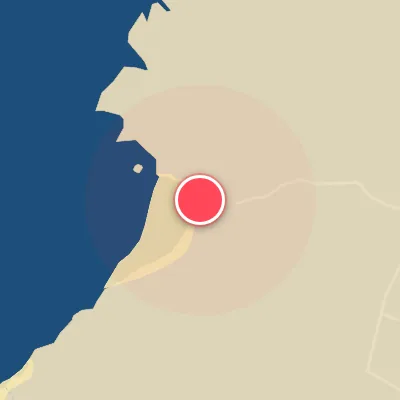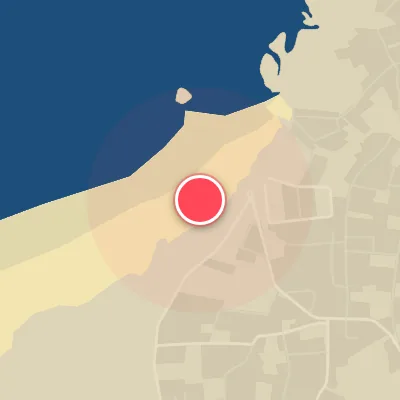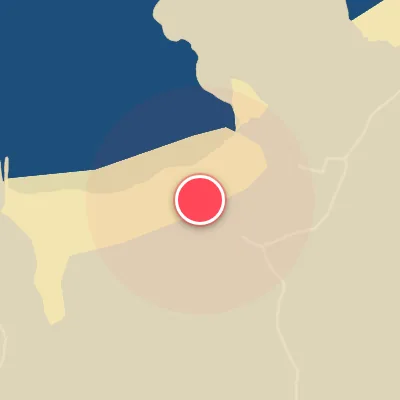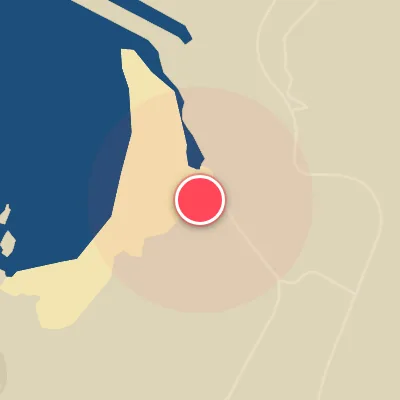
Today's Surf Conditions at Santa Comba
Spot Overview & Description
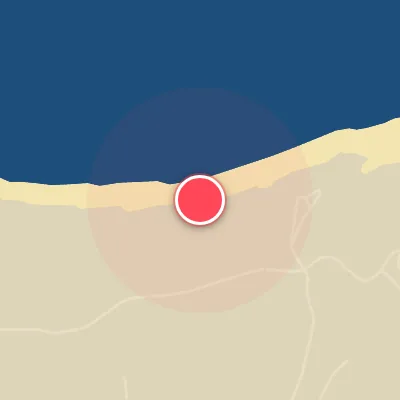
Praia de Santa Comba remains something of a secret on the surf map, with scant published intel—so approach it with an open mind and a spirit of adventure. This is a spot that rewards the curious, but demands you do your homework. Before paddling out, dial in the swell direction, tide phase, wind angle, and access logistics, as conditions here can shift dramatically with little warning. When it lines up, you might find a pristine, uncrowded wave; when it doesn’t, you’ll be glad you came prepared for anything.
Best Surf Season & Climatology
Best Surf Season (October - March)
Santa Comba is a north-facing stretch of Spanish coastline that lights up when the North Atlantic storm track shifts south. From October through March, the Bay of Biscay is constantly fed by powerful extratropical cyclones, sending consistent WNW/NW groundswell into the beach. Average swell heights run 2.2-3.0m (7.2-9.8ft) with periods of 11.3-12.9s, and offshore S to SW winds blow 29-32% of the time, especially during the passage of fronts and low-pressure systems. When the North Atlantic Oscillation is in a positive phase, the storm track is more zonal and the Bay of Biscay gets hit by a string of deep lows, delivering even more power to this coast. This is the prime window for the heaviest, most powerful and cleanest surf of the year, though water temperatures drop to 13-16C and a quality winter wetsuit is essential.
Detailed Surf Information for Santa Comba
Detailed Surf Forecast
Access our detailed 8-day swell and wind forecast charts for Santa Comba with tidal graphs, period ranges, and daily forecast text summaries.
Swell & Wind Statistics
Explore historical swell consistency, wave heights, and offshore wind windows month-by-month, compiled from over 40 years of data.
Historical Surf Report
Browse the historical database archives to view past wave reports and understand spot climatology during specific years and months.