- Home
- ...North America
 United States
- Sumner Avenue
Today's Surf Conditions at Sumner Avenue
Spot Overview & Description
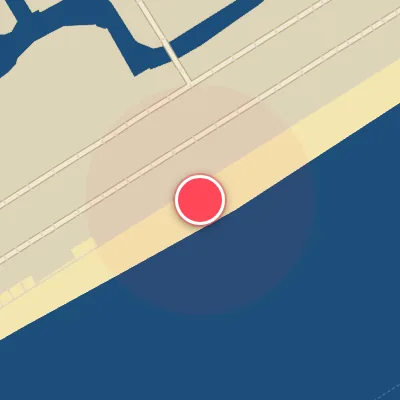
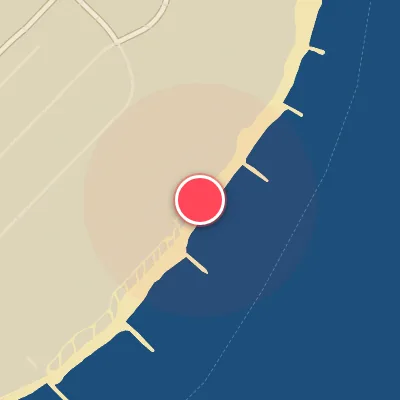
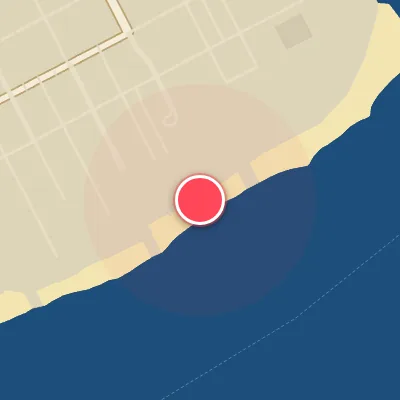
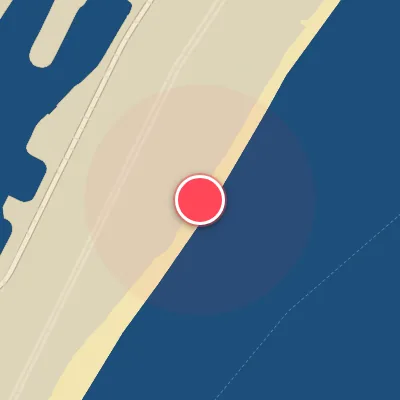
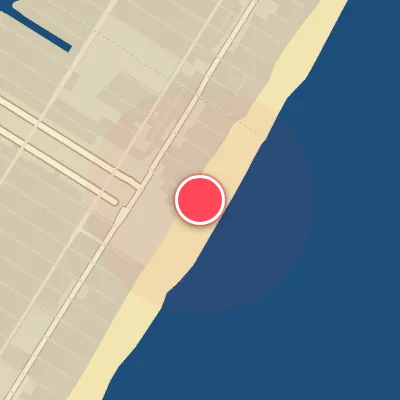
Sumner Avenue and its neighboring breaks are a go-to for clean, lined-up waves when the swell clocks in at small to medium. The setup is a classic beach and jetty affair over sand, producing waves that are more playful than punchy—ideal for trimming and cruising rather than heavy turns. This stretch is best known as a quintessential summer longboarding zone, where the vibe stays relaxed and surfing is welcome all day long. Overall, the water is consistently clean, and the atmosphere hovers somewhere between mellow and moderate, making it a friendly, low-key option for a sunny session.
Best Surf Season & Climatology
Best Surf Season (September - March)
Sumner Avenue's south-southeasterly orientation means the prime surf window opens when the Atlantic starts to deliver both proper swell and the northwesterly offshore winds that groom it. From September through March, average surf heights range from 1.2 to 1.4m (4 to 4.6ft) and the average period climbs from 7 to 8.4s. This is when the storm track is active: strong extratropical cyclones and occasional tropical systems send S, SSE, SE and ESE swell into the coast, while cold fronts and high pressure bring W/NW/N winds. The NAO phase can magnify this, with negative phases often parking coastal lows and directing a clean northwesterly flow over the beach. The result is clean, punchy waves on a stretch of coast that is ultra-sensitive to onshore flow. Though winter water temperatures are brutal (3.9-8.7°C / 39-48°F), the quality and consistency are worth it.
Detailed Surf Information for Sumner Avenue
Detailed Surf Forecast
Access our detailed 8-day swell and wind forecast charts for Sumner Avenue with tidal graphs, period ranges, and daily forecast text summaries.
Swell & Wind Statistics
Explore historical swell consistency, wave heights, and offshore wind windows month-by-month, compiled from over 40 years of data.
Historical Surf Report
Browse the historical database archives to view past wave reports and understand spot climatology during specific years and months.